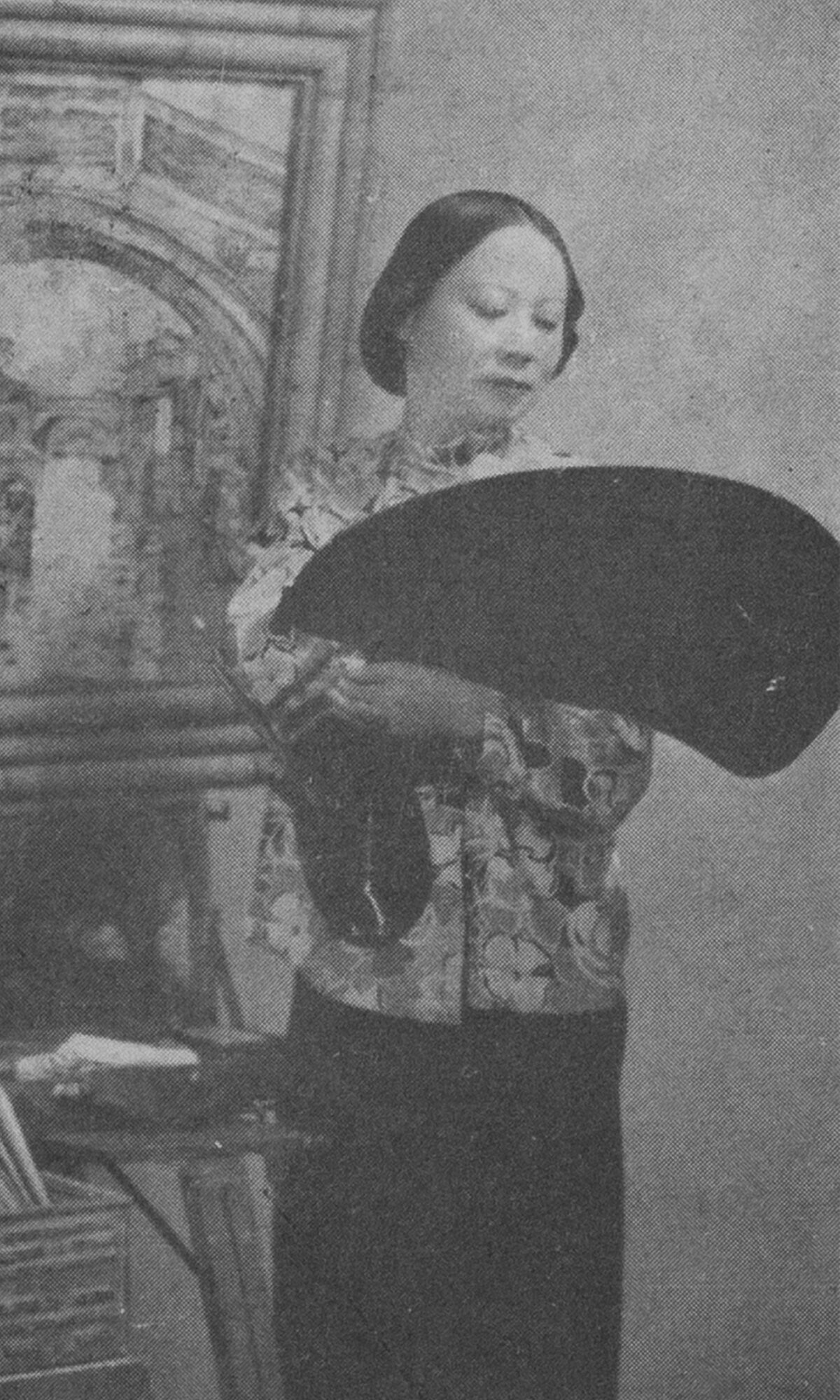
张荔英
Georgette Chen
张荔英(1906~1993)被视为新加坡现代艺术发展的关键人物,她的艺术常常与一种独特的地域风格的兴起联系在一起,而这种风格最为鲜明的特征,正是东西方绘画技巧与方法的融合。
张荔英早年在巴黎与纽约的美术学院接受系统的艺术教育,这段学习经历得到了其父张静江(孙中山辛亥革命的主要资助者)的支持,并表现在她逐步发展出的后印象派风格中,作品多以静物、风景与人物肖像为主题。。她与陈友仁(孙中山政府的第一任外交部长)的婚姻,使她的生活更为游历广泛,也让她有机会在法国和中国的不同地域创作风景画。
二战的动荡之后,张荔英于 1951 年迁居槟城,1953 年定居新加坡,迎来了人生的新篇章。这一时期,她的艺术题材发生了转变,并在画作中融入了热带色彩。此后,她在南洋艺术学院任教,将自身的学院派训练传授给学生,并成为新加坡艺术界的重要人物。她不仅是评审、翻译、导师、主办人,更是最为重要的⸺一位 “现代艺术家”。
Georgette Chen (1906–1993) is regarded as a key figure in the development of modern art in Singapore, and is often discussed in relation to the emergence of a distinct regional style that is most clearly characterised by a synthesis of Eastern and Western painting techniques and methods.
Chen’s early pursuit of formal art education at academies in Paris and New York was supported by her father Zhang Jing Jiang (the chief financer of Sun Yat Sen’s Xin Hai Revolution of 1911), and expressed through her development of a Post-Impressionist style focused on subjects of still life, landscapes and portraits. Her marriage to Eugene Chen (the first foreign minister of Sun Yat Sen’s government) extended her peripatetic lifestyle that allowed for the opportunity to capture landscapes across France and China in her art.
Following the struggles of WWII, Chen’s subsequent relocation to Penang (1951) and Singapore (1953) marked a new chapter in her life that was reflected in the shift in subject matter and incorporation of tropical colour into her art. She began teaching at the Nanyang Academy of Fine Arts where she passed on her academic training, and became a notable figure in the Singapore art scene, performing the role of judge, translator, mentor, host, but most importantly, that of the Modern Artist.