中国绘画中的 “女性空间”
Feminine Space in Chinese Painting
巫鸿 Wu Hong, 2019
Feminine Space in Chinese Painting
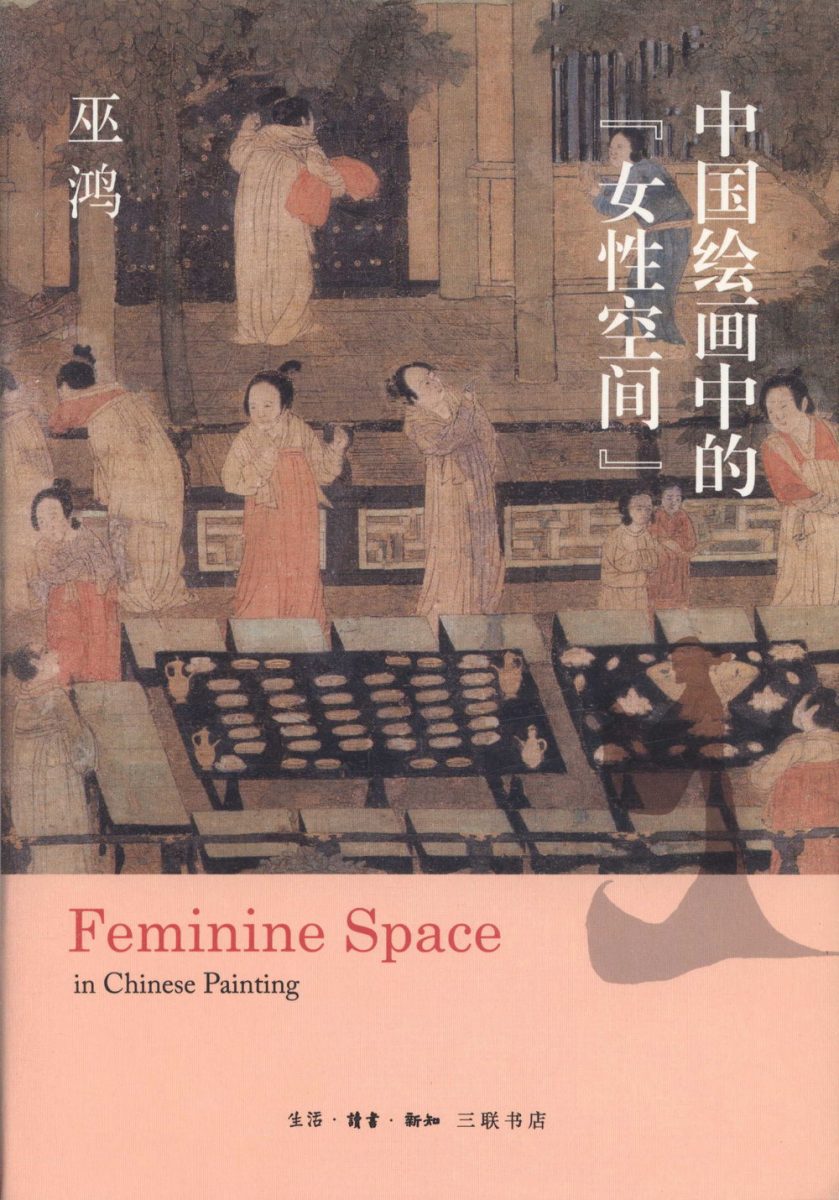
《中国绘画中的 “女性空间”》Feminine Space in Chinese Painting
巫鸿 Wu Hong, 2019
生活・读书・新知三联书店
SDX Joint Publishing Company- 中文 Chinese
- 2019
- 554
- 1054258764
艺术史研究中长期以 “仕女画” 或 “美人画” 来表述以女性为主题的绘画作品,但这样的术语不仅相对晚出,在形成过程中还带有一定的画科定位和评论取向,也无法囊括所有围绕 “女性” 产生的绘画作品。本书中,艺术史学家巫鸿提出了 “女性题材绘画” 这个概念,并引入 “女性空间” 作为讨论的核心,意图把被孤立和抽出的女性形象还原到它们所属的图画、建筑和社会环境中去。
围绕 “女性空间”,作者梳理了从中国战国到明清各个历史阶段中女性主题绘画的发展状况 —— 从山西武梁祠的列女画像砖到南北朝的《洛神赋图》,从青楼名妓的自我表现到展现理想化美人的《十二美人图》,以图文并茂的方式,展现 “女性” 在各种绘画场景和时代中的不同呈现,重构其所从属的原作;结合艺术评论、时代背景等因素,深度挖掘作品背后审美价值和商业价值的相互影响,进而思考女性题材绘画在社会、宗教与文化环境中的意义。
In art history research, the term “ladies’ painting” or “beauty painting” has long been used to express paintings with women as the theme, but such a term not only came out relatively late, but also has a certain orientation of painting and criticism in the process of its formation, and cannot encompass all the paintings centered around “women”. However, such a term is not only relatively recent in its formation, but also carries a certain orientation of painting and criticism, and is unable to encompass all paintings centered on women. According to art historian Wu Hung, feminine space denotes an actual or imaginary space, which is perceived and represented as a woman. A feminine space is a spatial entity—an artificial world comprised of landscape, vegetation, architecture, atmosphere, climate, color, fragrance, light, and sound, as well as selected human occupants and their activities.
This book traces the construction of this space in traditional Chinese art and visual culture (including representations of such space in literature and theater) and the social/political implications of this constructive process. Focusing on “feminine space”, the author compiles the development of female-themed paintings at various stages of history from the Warring States period to the Ming and Qing dynasties-from the portrait bricks of women at the Wuliang Ancestral Temple to the North and South Dynasties’ Luoshen Fu, from the self-expression of famous prostitutes in greenhouses to the Twelve Beauties, a painting of idealized beauties, with graphic representations of women. Twelve Beauties, we present the different presentations of “women” in various painting scenes and eras in an illustrated manner, reconstructing the original works to which they belonged; combining factors such as art criticism and the context of the era, we will explore the mutual influence of the aesthetic and commercial values behind the works, and then consider the significance of female-themed paintings in the social, religious, and cultural environments. In this way, we will consider the significance of female paintings in social, religious and cultural environments.
相关艺术家
Related Artists
作者简介AUTHOR’S BIOGRAPHY
巫鸿,1945 年生于四川乐山,1963 年就读于中央美术学院美术史系,1987 年获哈佛大学美术史与人类学双博士,现任芝加哥大学亚洲艺术部终身教授。2002 年建立东亚艺术研究中心并任主任,同年兼任该校斯马特美术馆顾问策展人。同时介入当代艺术的研究与展览策划。主要著作包括《武梁祠:中国古代画像艺术的思想性》(1989),《中国古代美术和建筑中的纪念碑性》(1995),《重屏:中国绘画的媒介和表现》(1996),《礼仪中的美术:巫鸿中国古代美术史文编》(2005)等。
Wu Hong, born in Leshan, Sichuan Province in 1945, studied at the Art History Department of the Central Academy of Fine Arts (CAFA) in 1963, received his Ph.D. in Art History and Anthropology from Harvard University in 1987, and is currently a tenured professor in the Department of Asian Art at the University of Chicago, where he founded the Center for the Study of East Asian Art in 2002, and served as an advisor to the curator of the Smart Museum of Art in the same year. He is also involved in contemporary art research and exhibition planning. His major publications include Wu Liang Ancestral Temple: The Ideology of Ancient Chinese Portrait Art (1989), Monumentality in Ancient Chinese Art and Architecture (1995), Re-screening: The Medium and Expression of Chinese Painting (1996), and Fine Arts in Ceremony: The History of Ancient Chinese Art in Wuhong (2005), etc. He is also the director of the Center for the Study of East Asian Art at the University of Chicago.