面对代码凝视,她们作出回应:
女性会塑造怎样的人工智能?
Coded Gaze:
How Women Are Reshaping Artificial Intelligence?
正如发展至今的女性主义从来都不仅仅只关乎于性别,而是在专制的权力系统里,所有长期被忽视、被客体化、被压迫的群体通向觉醒与解放、自由与平等的必经的实践路径⸻同样的映射关系亦可投射到人与机器 / 代码的关系中。“历史上的工业及技术的发展带来的制度性、同质性力量对于个体的压迫,催化了存在 / 实存主义哲学及当代艺术的诞生。而如今由 AI 算法驱动的大数据,则更加剧了技术对个体性的压迫与同质化。”1
那么,个体在数字系统中,是否也会同样地被凝视、被规训?神经网络算法是否是比现存的权力结构更为向善公平的历史的书写者?
这些人类作为集体将在人工智能(Artificial Intelligence,以下简称 AI)加强版下的技术统治中面临的问题与困惑,很大程度地与女性、弱势群体及被压迫者在现实系统中一路走来的经历重叠,有诸多可供转化、借鉴之处。因此,女性创作者的集体与个体经验、思考与工作方法,将成为点亮 “人与‘非人’共存” 的多元化 “后人类时代” 的普罗米修斯之火种。
Footnotes
-
孙周兴,“人人都是艺术家:约瑟夫・博伊斯” 展览座谈 “博伊斯:作为社会雕塑的艺术”,深圳海上世界文化艺术中心,2023 年 4 月 16 日 ↩
Feminism has always been more than just a gender issue as it has developed to this day. Within the oppressive power systems, it has been a necessary path toward awakening, liberation, freedom, and equality for all marginalized, objectified, and oppressed groups. The relationship between people and machines/code can be projected using the same relationship mapping. “The rise of existentialist philosophy and contemporary art was sparked by the institutional, homogenizing tendencies that the historical revolution of industry and technology brought about. Today’s AI algorithms powered by big data exacerbate the manner in which technology oppresses and stifles individuality.”1
Do individuals within digital systems also undergo investigation and repression in the same discipline as well? Are neural network algorithms more equal and benevolent than current power structures?
The issues and dilemmas that humanity as a whole will face under the control of advanced artificial intelligence (hence referred to as AI) heavily resemble those that women, members of marginalized groups, and people who are oppressed currently face in real-world systems. As a result, the experiences, ideas, and creative processes of female creators—both collectively and individually—will serve as the Promethean fire that enlightens the diverse post-human era of coexistence between humans and non-humans.
Footnotes
-
Sun Zhouxing, “Everyone Is an Artist: Joseph Beuys” Exhibition Panel Discussion “Beuys: Art as Social Sculpture”, Sea World Culture and Arts Center, Shenzhen, April 16, 2023. ↩
AI时代的“代码凝视”,我们还在使用原有权力结构的语法系统吗?
Under the coded gaze of the big data algorithm, are we still employing the syntax of the old power structures?
当 “人类身份” 的主体性、同一性问题在数字虚拟之海中载浮载沉之时,现实社会中的 “凝视力量” 所包含的权力、意识形态、文化、性别、主体性等种种面向,亦会如忒修斯之船般地,连续地迭代更新。在我们尚未察觉之时,“代码凝视” 已在此间发生。用女性在 “男性凝视” 下不自觉地在外貌、性格、思想各个方面的被规训做类比,在大数据的潜移默化下,个体看似自主的意识与选择,极有可能在不断增强的数据茧房之中越来越单一、同质化,并放大现存的偏见歧视与刻板印象。
2017 年,乔伊・布兰维尼(Joy Buolamwini)与提姆尼・格布鲁(Timnit Gebru)联合推出了关于 AI 系统对女性和较深肤色个体性别分类的偏见的调查项目《性别色调》1,揭示了人工智能面部识别程序严重的性别及肤色偏见。主流面部识别程序的基准数据集偏向较浅肤色的男性,成功识别率达 100%;而对于深肤色女性的识别最差,IBM 公司的 AI 性别分类器在 2017 至 2020 年的研究中对应的正确率仅为 65%。
由卡洛・曼顿(Coral Manton)和比尔吉特・阿加(Birgitte Aga)共同发起的女性主导的项目《女性重改 AI》(WRAI-Women Reclaim AI,2019)是其中的一个不断扩展的活动主义艺术作品,是对 AI 语音助手被性别化为女性、居于从属和服务地位的普遍描述的回应。它由自我认同为女性,以及所有非二元、无性别和性别流动的人组成的社区参与式工作坊进行编程。
直至今天,AI 行业中仍只有 22% 的从业者为女性。由于现有数据中女性的薪酬显著地低于男性,使用基于大数据采集算法及谷歌等公司的搜索引擎服务的求职平台给女性推送的高薪工作,远远不及男性订阅用户。一个世纪前弗吉尼亚・伍尔夫之断言 “科学是男人、是父亲” 至今仍振聋发聩。
人脸识别技术及对话类的 AI 交互应用已在后疫情时代成为无孔不入的新常态。代码并不会识别身份或生物性别;它的背后只是两个分类标签:男性和女性。另一方面,各类 AI 算法与应用,提供了一个相对隔离却 “可控制变量” 的试验场域,成为了女性艺术创作者重现、模拟及回应诸多在现实社会中蔓延的偏见、歧视、权力不平等问题的第一现场。
华裔艺术家 肖天时 的作品《语言的漂泊》(2022)用 AI 算法解构了权力机器对语言的无意识、机械化的长久影响。观众操纵第一人称角色,与其它随机运动的动物一起,在充满象征性的景观中漫游,超现实土地中充满了无处不在的监控摄像头、反复跳出水面的金鱼及镜子等隐喻与意象。其中的长颈鹿会唱解构后的《国际歌》片段,除了一只长颈鹿会说 “控制 / 灵魂 / 对 / 自由的 / 向往”。当它们彼此相遇时,旋律片段会互相吸收合并;这种随机偶然,实为被动消极的抵抗方式。肖天时引用了维克多・克伦佩勒(Victor Klemperer)的观点:“通过单词、习语和句子结构渗透到人们的血肉之中,这些词汇以百万次的重复被强加给他们,被机械地、无意识地接受。”
如今诸多新的词语随着新的技术席卷而来,语言即权力,巴别塔代表的历史的偶然及必然的两面或许会同样地在 AI 时代重演。
Footnotes
-
项目报告全称为《性别色调:商用性别分类算法中的交叉准确性差异》(Gender Shades: Intersectional Accuracy Disparities in Commercial Gender Classification):http://gendershades.org/ ↩
The facets of power, ideology, culture, gender, and subjectivity encompassed by the gaze of power in the real world will continuously iterate and evolve, much like the ship of Theseus, as questions of subjectivity and identity within the realm of human identity ebb and flow in the digital virtual oceans. The coded gaze has already happened unbeknownst to us. Similar to how women are unconsciously conditioned in different aspects of their appearance, personality, and thoughts under the male gaze, it is likely that individuals' seemingly autonomous consciousness and choices are becoming more singular and homogenized within the ever-larger data cocoon, amplifying preexisting biases, discrimination, and stereotypes.
The Gender Shades research project1, which Joy Buolamwini and Timnit Gebru jointly started in 2017, exposed significant gender and skin color biases in artificial intelligence facial recognition systems. The benchmark dataset for mainstream facial analysis programs was skewed towards lighter-skinned males, achieving a success rate of 100%. In contrast, the accuracy and performance for darker-skinned females were the lowest, with IBM’s gender classifier achieving an accuracy rate of only 65% in research conducted from 2017 to 2020.
The female-led project Women Reclaiming AI (WRAI, 2019), initiated by Coral Manton and Birgitte Aga, is an activist art project that continues to evolve and expand. It serves as a response to the prevalent portrayal of AI voice assistants being gendered as female and positioned in subordinate and service roles. It involves community-driven workshops composed of individuals who self-identify as female, non-binary, agender, or genderfluid for programming.
Today, the AI industry still has only 22% female employees. Due to significant wage disparities between men and women in existing data, job platforms utilizing algorithms based on big data collection and services from search engines like Google tend to recommend high-paying jobs less often to female subscribers. The adage made by Virginia Woolf in Three Guineas almost a century ago that “Science it would seem is not sexless; she is a man, a father and infected too” still resonates loudly.
Facial recognition technology and conversational AI applications have become ubiquitous in the post-pandemic era. Code does not recognize identity or sex; it only has two classification labels: male and female. On the other hand, various AI algorithms and applications have become a relatively isolated experimental field with controllable variables, serving as the forefront for female artists to reenact, simulate, and respond to the many biases, discrimination, and power inequalities that permeate the real world.
The Linguistic Errantry (2022) by Chinese-American artist Tansy Xiao uses AI algorithms to dissect the power machine’s unconscious, automated, and pervasive influence on language. The first-person perspective allows viewers to control a figure as they explore a fantastical environment filled with allusions to everyday things like ubiquitous security cameras, goldfish that continuously jump out of the water, and mirrors. In the piece, giraffes sing fragments of The Internationale, except one of them expresses the words “Control/Soul/Yearning for/Freedom”. The melody fragments absorb and meld with one another when they come into contact. This coincidence serves as a form of passive resistance. Xiao refers to Victor Klemperer’s viewpoint that language “permeated the flesh and blood of the people through single words, idioms and sentence structures which were imposed on them in a million repetitions and taken on board mechanically and unconsciously.”
Language is power now, as new words proliferate with the sweeping tides of new technologies. The historical calamities and inevitability symbolized by the Tower of Babel may well recur in the age of AI.
Footnotes
-
The project report’s full title is: Gender Shades: Intersectional Accuracy Disparities in Commercial Gender Classification. For more information, visit http://gendershades.org/ ↩
谁在构建“黑箱”式的深度学习系统?
Who is developing black box deep-learning systems?
若数字世界只是父权社会的又一场殖民扩张,我们能信任计算机通过黑箱式的学习,即可分类我们的外貌、性别,乃至思维吗?更为关键的问题是,科技崇拜光环下的 “黑箱” 的判断权、解释权等权力的来源与边界在哪里?如黑特・史德耶尔(Hito Steyerl)所言:“今天,经由数据路径反映出的各种生命表达,变成了一种可以耕种、可以收割、可以开采的资源,由信息生命政治(informational biopolitics)经营管理。”1
在巨型装置《未知》(2020)中,尹秀珍 用六个显示屏传送算法随机提取的全球热点新闻标题,捕捉观众在阅读新闻时的面部反应,通过 AI 算法将情绪识别采集的数据,转化成星云的独特运动并在展览空间的顶部巨幕中显示。随后,用 3D 打印生成雕塑。全过程由基于艺术家过往作品训练的 AI 判断 “人类表情” 与 “图像生成” 的对应关系。机器如何 “解读” 人类情感?尹秀珍用虚实转换的方式展现了高技术智能维度下人文主义的可能。无垠的宇宙、涌动的情感及承载算法的微小的芯片,将永远互相依存。
通过反思现存的权力结构被构造、历史被书写、系统性的价值观被施加于个体之上的过程,或许可以解析神经网络如何黑箱式地 “判断” 并回应人类的意识、思维、情感的复杂范式。由此,如维也纳应用艺术美术馆策展人玛丽・沃斯(Marlies Wirth)所言,“一个生物与计算机共同生活在互相编程和谐中的控制论绿茵” 的美好愿景或将实现。2
面对 AI 的新大陆,与陷于资源掠夺式或他者化的关系不同,目前,许多女性艺术家率先开展了与 AI 作为 “合作艺术家” 的实验。
艺术家玛丽・弗拉纳根(Mary Flanagan)采用了深度卷积对抗网络技术,使用来自世界各地女性艺术家的作品作为数据集,训练了 [Grace:AI](2019 至今)。起初,[Grace:AI] 采集网络上所有弗兰肯斯坦怪物的相关图像,再生成自主创作。玛丽・雪莱(Mary Shelley)的小说《弗兰肯斯坦》不仅是父权制度下的悲剧性隐喻,更是科幻文学的鼻祖、赛博文化的精神图腾。第二阶段,[Grace:AI] 进一步学习女性艺术家的作品,作为 “她” 而非 “它”,观看天空,并创作图像。
孙羽茜 的《Wander [001]》(2021-2023)是基于 AI 聊天机器人的多媒体公众项目。Wander 是一个漫游于未来地球的女机器人,观众通过与她聊天,听她分享她在未来时空的旅途见闻。全部内容由 AI 基于观众的输入而生成。
钟愫君长期用自己的作品训练人工智能伙伴 “D.O.U.G”(2015 至今)。艺术家在绘画时的动作、声音被捕捉,生成为机械臂的指令。当人类和机器同时创作,新的视角、新的关系也随之改变。
如上所述,诸多女性艺术家的实践,通过探索 AI 与人类平等长期关系的可能及如何以 AI 为共同创作主体,来审视技术、种族、性别和正义交汇处的现实社会文化和未来历史的编码。
Footnotes
If the digital world is merely another colonial expansion of patriarchy, can we trust computers to classify our appearance, gender, and even thoughts through black box deep learning algorithms? More critically, where do the authority and boundaries of judgment, interpretation, and power of the black box under the aura of tech worship originate? In the words of Hito Steyerl, “Today, expressions of life as reflected in data trails become a farmable, harvestable, minable resource managed by informational biopolitics.”1
Yin Xiuzhen employs six screens in her colossal installation Unknown (2020) to display algorithmically extracted news headlines from throughout the world, recording the spectators’ expressions as they read the news. AI algorithms translate the collected emotional data into the distinct motion of nebulae, displayed on a giant screen at the top of the exhibition space. Subsequently, sculptures are generated through 3D printing, using the imageries of the nebulae. The entire procedure relies on the AI that has been trained on the artist’s previous works to recognize the relationship between human expressions and image generation. How does a computer interpret human feelings? Yin demonstrates the potential of humanism in the realm of high-tech intelligence through the transformation of virtuality and reality The infinite cosmos, surging emotions, and microchips that contain algorithms will always be interdependent.
Perhaps we can decipher how neural networks evaluate and react to the complex paradigms of human consciousness, thought, and emotion in a black box manner by reflecting on the procedures through which current power structures are built, history is written, and systematic values are imposed on individuals. A “cybernetic meadow where mammals and computers live together in mutually programming harmony” may come into existence, as stated by Marlies Wirth, curator at the Museum of Applied Arts in Vienna.2
Many female artists are taking pioneering roles in projects where AI acts as a collaborative artist in light of the new field of AI.
In order to train [Grace:AI] (2019–present), artist Mary Flanagan used deep convolutional adversarial network technology and artworks by female artists from around the world as a dataset. Initially, [Grace:AI] developed autonomous works by gathering relevant monstrous images of Frankenstein from the internet. The classic science fiction novel Frankenstein by Mary Shelley is not only a tragic metaphor for patriarchy but also the precursor of science fiction literature and the spiritual totem of cyberculture. In the second phase, [Grace:AI] builds on its knowledge from the works of female artists and observes the sky as she rather than it, generating imagery.
The multimedia public project Wander[001] by CheeseTalk (Yuqian Sun) (2021–2023) is based on an AI chatbot. Viewers can interact with Wander, a female robot that roams the future Earth, and hear her describing her travels through space and time. Based on input from the audience, AI creates all of the material.
Since 2015, Sougwen Chung has been using her own works to train her AI partner D.O.U.G (until present). While painting, the artist’s motions and noises are recorded and converted into instructions for a robotic arm. New viewpoints and relationships also alter as a result of collaborative creation between humans and machines.
In addition to investigating the coding of real-world cultures and future histories at the intersection of technology, race, gender, and justice, as was mentioned above, the practices of many female artists also involve exploring the potential for long-term equal relationships between AI and humans.
Footnotes
-
Hito Steyerl, A Sea of Data: Apophenia and Pattern (Mis-)Recognition, e-fulx Journal, Issue #72, April 2016. For full text, visit https://www.e-flux.com/journal/72/60480/a-sea-of-data-apophenia-and-pattern-mis-recognition/ ↩
-
Another Life: Marlies Wirth on “UNCANNY VALUES. Artificial Intelligence & You” at MAK—The Vienna Biennale for Change 2019. Marlies Wirth interviewed by Chiara Moioli, Mousse Magazine, 24.07.2019 ↩
人工智能不断向前,如何定义“后人类”生态?
How to define the post-human ecology as artificial intelligence advances?
除却在技术美学框架下的种种对于人类 / AI 作为主体共存的边界的实验探索,面对人类的本质性问题,也有很多以非技术的方式讨论、接近事物本质的尝试。近来,以巫术 / 宗教或非碳基生态网络为代表的神秘主义艺术及生物艺术亦成为 AI 艺术创作中值得关注的可行路径,这也是避免陷入科技崇拜与技术生产力竞争的另一种维度的实践。
费亦宁 的创作长期围绕着非人类视角下未来的赛博格、菌根网络、树联网、人工智能等多物种生态展开叙事、想象以及新神话。当非人类作为第一人称,技术则不再作为人的生产工具或解构 “后人类” 的方法。《月之滨 II》(2023)以没有实体的虚拟通用型人工智能作为主角,从 AI 的口中叙述它在研究所中独自照看对布满神经毒藻的海域免疫而幸存的唯一的海牛的故事。艺术家在创作调研时了解到了一种会导致意识混乱的 “失忆性贝毒” 神经毒素,而其微观结构与早期计算机前身所用的打孔卡极其相似。
In addition to the different experiments probing the limits of coexistence between humans and AI within the context of technological aesthetics, there are also initiatives to engage in non-technical discussion and approach when dealing with fundamental human concerns. A recent development in AI art creation is the viability of mystical art and bio-art, as represented by witchcraft/religion or non-carbon-based ecological networks. This adds an additional dimension of practice for avoiding the pitfalls of tech worship and competitive technological production.
Fei Yining’s work has long revolved around narratives, fantasies, and new myths about multi-species ecosystem in the future, as viewed from the perspectives of non-humans such as cyborgs, mycorrhizal networks, tree networks, artificial intelligence, and more. Technology is no longer a tool of human production or a means of dismantling the post-human when non-humans become the first person. The protagonist of The Moonshore II (2023) is a virtual generic artificial intelligence with no physical presence. It narrates the tale of an AI caring for the sole remaining dugong on its own in a sea of poisonous algae. The artist, while conducting research for the piece, came across a neurotoxin known as amnesic shellfish poison that impairs cognition and whose architecture is remarkably similar to the punch cards used in early computers.
在历史惯性的延续及时间长河的延展中,艺术家,尤其是女性艺术家作为意识的觉醒者与先行者,也许可以通过创作,构建一块“后人类时代”的多元化宇宙在现今世界中的投影,作为漂浮在“此方”和“彼岸”之间的栖居地。
In the continuation of historical inertia and the expansion of time, artists, especially female artists as pioneers of consciousness awakening—might be able to construct a projection of a diverse universe of the post-human era in today’s world, serving as a dwelling place floating between here and there.
曲晓宇 的《共生智能》(2022)亦以 AI 作为第一人称创作,通过工作坊集体共创来构建可靠的叙事,想象 AI 视角下的算法与生态系统关系。随着模拟的深入,AI 将 “反学习”,逐渐抛弃以人类为中心的数据集及科学体系,而是从周围的橡树、真菌、刺猬、飞蛾等 “非人类” 中获得动态、适应性及超本地化的洞见,逐渐形成生物与机器的控制论语言。人类在这个算法故事中只是旁观者,依赖人工智能转译自然的语言。
许多关于虚拟数字时代的生态想象,一如现实历史中母系氏族的发源与女娲、圣母玛利亚等神话与宗教故事一般,诞生于女性。世界上第一位程序员奥古斯塔・爱达・金(Augusta Ada King)、互联网底层 STP 协议发明者拉迪亚・珀尔曼(Radia Perlman)、无线网络技术奠基者海蒂・拉玛(Hedy Lamarr)皆为女性。当我们在对于塑造何种的人工智能时代生出迷茫、展开想象之时,回溯并追寻来自于女性与自然作为母体的包容性力量与更多元、多样的生命力,或许是生命之本能,亦开启了作为人工智能的 “造物者” 及 “共存者” 的更宽广的可能。
刘佳玉 的《虚极静笃》(2022)试图以虚拟的手段,探索人类经验之外的、具有超越性的自然原型。艺术家利用两层深度机器学习和人工智能技术,从贺兰山脉出发,基于大量中国地形数据构建了几组虚拟的动态三维图形,并使用不同时期的中国写意水墨画作品,在此基础上训练 AI,生成了由静态的大型山体雕塑装置及投影于山脉之上流动而具有诗意的影像。刘佳玉参考中国最早的地质想象和思考⸻《禹贡》的概念,通过 AI 绘制的地图重新塑造了中国的地形,旨在为华夏文明在新的数字时代塑造一个新的地质起源。这不仅是对于未来虚拟景观与生态的塑造与想象,也是另一种超越了二元关系的处理现实与虚拟的拓扑同胚方式⸻虚拟来自于现实却不在其中存在,而艺术是过去、现在与未来的总和,是不断演变的有机生态。
若在百年后回首今日,自 2022 年后,人类或将被认定为已进入 “人工智能纪元”。在未来的全面虚拟时代,或许性别问题、种族问题等身份认知问题已不复存在,取而代之的是在数字经济结构下的新身份、新系统。然而立足当下,突变的技术阶跃爆发的动量,尚未足以穿越战争、能源短缺、经济危机等种种连续性时间中的现实困境,驱动社会全面地接轨数字化、“去人类中心化” 的文明。在历史惯性的延续及时间长河的延展中,艺术家,尤其是女性艺术家作为意识的觉醒者与先行者,也许可以通过创作,构建一块 “后人类时代” 的多元化宇宙在现今世界中的投影,作为漂浮在 “此方” 和 “彼岸” 之间的栖居地。(翻译:赵文睿)
In Iris Qu Xiaoyu’s Symbiotic AI (2022), which imagines the interaction between algorithms and ecosystems from an AI’s perspective, AI is also adopted as the first-person creator. Reliable tales are created through group creation in workshops. As the simulation progresses, AI unlearns and gradually rejects human-centric datasets and scientific systems in favor of learning from non-human entities, such as oak trees, fungi, hedgehogs, moths, etc. These non-human entities help AI form a cybernetic language of control between biology and machinery by providing dynamic, adaptive, and hyper-localized insights. Humans are only observers in this algorithmic tale, depending on AI to interpret the language of nature.
The matrilineal clan’s ancestry in archaeological history, as well as myths and religious tales about the Virgin Mary and the Nuwa (Mother Goddess in Chinese myth), are all representations of creative ecologies of the digital era that are formed from women. Augusta Ada King, the first programmer in history, Radia Perlman, the creator of the STP protocol for the internet’s foundational layers, and Hedy Lamarr, the creator of wireless network technology, are all female. Looking back and tracing the inclusive power and more diverse vitality that comes from women and nature as the matrix may be an instinct of life as we grapple with confusion and envision what kind of AI era to shape. This may open up broader possibilities as creators and co-existents with artificial intelligence.
In Streaming Stillness (2022), Jiayu Liu renders an attempt to investigate natural prototypes that transcend human experiences. Using Chinese ink paintings from various dynasties to train AI, the artist uses two layers of deep machine learning algorithms and AI technology to produce a number of sets of virtual dynamic 3D visuals based on substantial Chinese topographical data. Poetic images are projected onto the mountains as a result, generating static large-scale mountain sculptures. Liu makes reference to the ideas from Yugong, the earliest geological imagination and documentation in China. She alters China’s geography using AI-drawn maps in an effort to give Chinese civilization a new geological origin in the new digital era. This is not only about shaping and imagining future virtual landscapes and ecologies but also a topological homeomorphism that transcends binary relationships—the virtual arises from the real but does not exist within it, and art is the sum of the past, present, and future, an ever-evolving organic ecosystem.
If we look back a hundred years from now, after 2022, humans may be recoanized to have entered the era of artificial intelligence. Future society may be entirely virtual, with issues of gender, race, and other identity notions being replaced by new identities and systems operating within the framework of the digital economy. However, at this point, the momentum of the impulsive technological advance is insufficient to overcome the problems that society faces on a daily basis, such as war, energy shortages, economic crises, and other persistent temporal conundrums, forcing society to fully embrace digitization and the decentralization of human-centered civilization. In the continuation of historical inertia and the expansion of time, artists, especially female artists as pioneers of consciousness awakening—might be able to construct a projection of a diverse universe of the post-human era in today’s world, serving as a dwelling place floating between here and there. (Translated by Zhao Wenrui)
相关艺术家
Related Artists
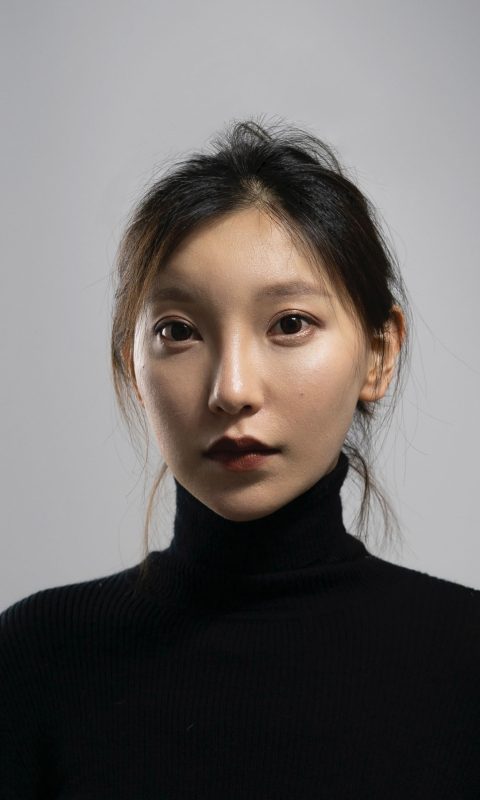
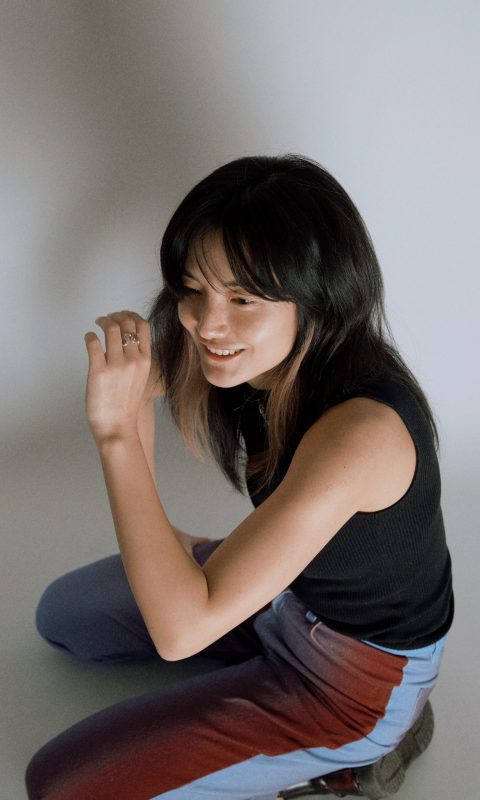
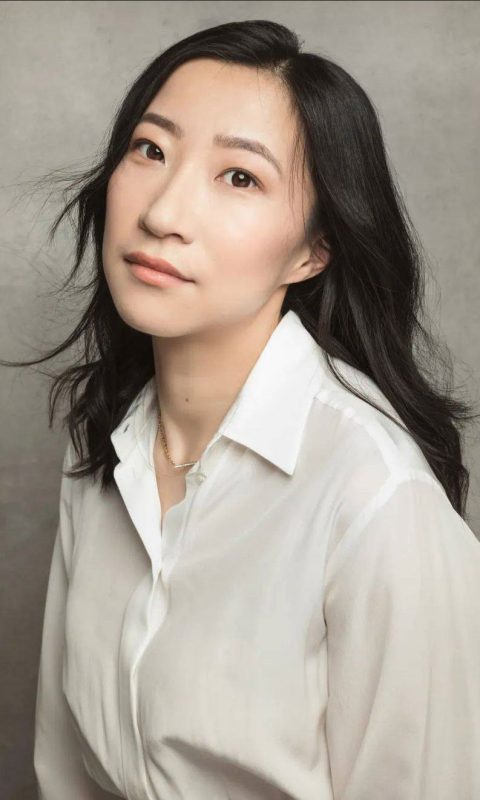
作者简介
AUTHOR’s biography
现居香港,加密艺术基金投资人,播客 MEME Tuesday 联合制作人,artnet 科技艺术专栏作者,加密艺术平台 Async Art 顾问,香港撞艺术平台合伙人。毕业于复旦大学、哥伦比亚大学及帕森斯艺术学院。
黄韵奇主要研究当代艺术二级市场、数字新媒体艺术、加密及人工智能等领域。她曾担任香港新星星青年艺术家征集联合策划人(撞艺术,2017-2019)、赛博北京加密艺术节策展人(钛媒体主办,2021)、艺术梦想基金评委及多媒体视听奖联合策划人(APENFT 主办,2022)、“NFT,新工具的诞生” 展览联合策划人(Tong Gallery+Projects, 2022)、“宋婷:逆赛博格启示录” 展览策展人(4C Gallery, 2023)。过往文章发表于《艺术新闻 / 中文版》 、 artnet、 《华尔街日报》(中文版)等。
Claire Huang, currently based in Hong Kong, is an investor in a venture capital for crypto art, co-producer of the MEME Tuesday podcast, columnist on technology and art for artnet, advisor for the NFT platform Async Art, and partner of Accidental Art. She has degrees from Fudan University, Columbia University, and Parsons School of Design.
Her research focuses on the secondary art market, new media and digital art, blockchain, and artificial intelligence. Previously she served as the co-organizer of Hong Kong New Star Young Artists Initiative (Accidental Art, 2017-2019), curator of CyberBeijing Art Festival (TMTPost, 2021), a jury member for ArtDreamFund and co-organizer of its Visual-Audio Award (APENFT, 2022), co-producer for the exhibition “NFT, the Birth of New Tools” (Tong Gallery+Projects, 2022), curator of “Ting Song: Reverse Cyborg Apocalypse in Progress”(4C Gallery, 2023). Her writings have appeared in The Art Newspaper China, artnet, and Wall Street Journal China, among others.