一份关于华人女性摄影史写作的提案
A Proposal on Writing the History of
Chinese Women Photographers
1963 年 3 月 8 日,“女摄影工作者作品展览” 在北京中国美术馆拉开帷幕,展出了共 76 位女摄影师的 153 幅作品。从抗日战争时期到新中国成立初期,中国女性摄影工作者与她们的男性同行并肩,活跃在艰苦的战争环境、险峻的自然空间和复杂的社会现场,用她们细致入微的观察和手上的相机,记录下新中国成立初期国家政治、工业、城市和日常生活的方方面面。“女摄影工作者作品展览” 由中国摄影学会(中国摄影家协会的前身)策划,它不仅仅是新中国成立以来第一场女性摄影师展览,同时也借助出版的方式,记录并颂扬了中国女性摄影工作者在新闻报道和摄影创作中所扮演的重要角色。
20 世纪 70 年代以降,伴随着中国社会的历次转型,参与摄影工作的女性实践者也逐渐从新闻领域拓展到更广泛的摄影和当代艺术领域。一方面,女性实践者在沿着国内外摄影发展的路径,为记录中国各个时期的社会、文化和生活方面提供了新的视角和观点;另一方面,摄影作为一个进出艺术自由的媒介,女性实践者将与切实的议题、视觉的表达和媒介的当代性结合在一起,为中国摄影艺术的发展贡献了独具特色的创作。
尽管如此,翻阅历史文献,关于华人女性摄影实践者和运用摄影作为创作媒介的女性艺术家的写作、评论和展览所占比例严重失衡,同时,学界针对身份、性别话语与摄影史之间的批判性讨论较为欠缺,这造成了华人女性摄影实践者的作品在传播、展示和学术讨论上的局限性。本文将以一份写作提案来展开对华人女性摄影史的关注,围绕 “联结社会”、“探索话语”、“丈量地理” 三个章节所搭建的探索性框架,旨在重估华人女性摄影家在摄影史中被低估的身份和贡献,并在强调女性在推动摄影史历程中所扮演重要角色的同时,探索女性创作者的实践为中国摄影的发展提供的特殊视角。
On March 8, 1963, the exhibition “Works of Women Photographers” opened at the National Art Museum of China in Beijing, showcasing 153 works by 76 female photographers. From the period of the Anti-Japanese War to the early years of the People’s Republic of China (henceforth “PRC”), Chinese women photographers, alongside their male counterparts, were active in harsh war zones, hazardous natural environments, and complex social scenes. With cameras in hand, coupled with their keen observation, they documented various aspects of the new nation, including politics, industry, urban development, and everyday life. “Works of Women Photographers” organized by the China Photography Society (the predecessor of the China Photographers Association), was the first exhibition dedicated to female photographers since the PRC’s founding. The resulting publication also recorded and celebrated the crucial roles played by Chinese women photographers in new reporting and the development of photography.
Since the 1970s, transformations in Chinese society have provided opportunities for female photographers to expand their practice beyond photojournalism, encompassing broader realms of photography and contemporary art. These practitioners have provided new perspectives on various periods of Chinese society, culture, and life, incorporating the development of photography both in China and internationally. Photography, regarded as both art and non-art, has enabled female practitioners to explore concrete issues via visual expression and the contemporaneity of the media, creating distinctive works that mark their place in the history of Chinese photography.
Despite this, a historiographical review shows a significant absence of discussion, criticism, and exhibition of the works by Chinese women photographers and women artists who use photography in their practice. Furthermore, scholarly investigation into the intersection of identity, gender, and the history of photography remains lacking. Consequently, the dissemination, display, and academic discussion of the works of Chinese women photographers are limited. This article proposes a framework for writing the history of Chinese women photographers. It is structured around three exploratory sections: Connecting Society, Exploring Discourse, and Measuring Geography. The aim is to reassess the identity and under-appreciated contributions of Chinese women photographers within the broader history of photography. Emphasizing the significant role women have played in advancing the field, this article also examines the unique perspectives female creators have brought to the development of photography in China.
联结社会
Connecting Society
新闻和战地摄影作为摄影史传统上由男性统领的领域,在记录暴行、见证历史的同时,也引发了围绕镜头、表征、凝视与权力关系的讨论。女性,通常被作为镜头表征的客体,在照片历史中扮演着受害者、弱势群体的角色,实质上加剧了性别刻板印象的生产和传播。与西方相比,中国的新闻摄影史有其独特性,从 20 世纪 30 年代,伴随着摄影在中国革命和政治斗争中所扮演的宣传角色日益突出,以及抗日根据地和解放区摄影事业逐步建立,中国共产党积极鼓励、选拔女性工作者参与新中国新闻和摄影的宣传事业中,以侯波、晓庄、牛畏予为代表的女性摄影工作者将相机作为记录和表达的媒介,为红色摄影时期的中国留下了丰富且独具女性视角的影像记录。
晓庄是新中国最早的女性摄影工作者之一,从 20 世纪 50 年代到 70 年代,她详细记录了红色中国的发展历程,包括抗美援朝、农业合作化、公私合营、人民公社、大跃进、钢铁冶炼和知识青年上山下乡等标志性的历史时刻。在拍摄与中国红色摄影的报道特点相吻合的集体照中,新中国劳动妇女的工作和日常生活时常成为她拍摄的主体和叙事的核心。以晓庄为代表的女性摄影工作者为中国红色新闻摄影开创了全新的、自主的视觉表达,这些照片为男女平等的社会主义价值观提供了历史的见证和图像的参照。
20 世纪 70 年代以来,以现实作为题材的摄影叙事作品也逐渐从社会主义现实主义主导下的叙事中松动,包括罗小韵、王苗、王瑶、黄文在内的新闻摄影师持续关注国家、社会和普通人的命运,记录下时代转折期间的重要事件,持续激励着一代又一代女性报道摄影师参与其中。进入 21 世纪,尽管摄影师创作的方式和风格发生了巨大的变化,但中国的社会、个人与历史的连接依旧吸引着当下创作者的持续探索。
在最新以摄影和影像作为叙事媒介的创作者中,艺术家 杨圆圆 擅长从女性个体的成长、生活经验出发,将搜集的文献与资料与特定的事件和历史相结合,在《大连幻景》(2017~2019)、《上海楼》(2020)和《造乡》(2022)中,共同构筑了中国在起伏跌宕、纵横交错的 20 世纪的诸多历史。在关于历史的题材的叙事中,女性的生命经验始终是杨圆圆所关注的重点,她从 2018 年开始制作的影片《女人世界》聚焦 20 世纪海外演艺界华人女性的非凡经历,重估那些在当下被逐渐遗忘的女性声音。
如果说摄影的纪实性是连接摄影师、社会现场与时代命运的通道,那么在 “联结社会” 章节中,参与性与女性视角将串联起新中国成立后华人女性摄影师在记录、思考和连接人与社会和历史中扮演的重要角色,在此基础上,她们的相机不单单作为历史的见证,而是跨越身份与文化边界,重塑了女性在摄影史,以及在中国政治、社会、文化和日常生活中的位置。
Photojournalism and war photography, traditionally male-dominated fields, have sparked discussions about representation, gaze, and power relations, while documenting atrocities and witnessing history. Historically, women were often the subjects of photographs, cast as victims and marginalized groups, which perpetuates gender stereotypes. Chinese photojournalism has followed a different trajectory than its Western counterpart. From the 1930s onwards, photography became a vital means of communication during the Chinese revolution. With the establishment of photography practice in anti-Japanese bases and liberated areas, the Chinese Communist Party actively encouraged and recruited women to participate in journalism and photographic propaganda. Female photographers such as Hou Bo, Xiao Zhuang, and Niu Weiyu used cameras to document and express, leaving behind a complex and distinctive female perspective in the visual records of the PRC’s early years.
Xiao Zhuang was one of the PRC’s first female photographers. From the 1950s to the 1970s, she meticulously documented the milestones of the new country, covering the Korean War, agriculture collectivization, public-private partnership, People's Commune, the Great Leap Forward, steel industry, and the “Up to the Mountains and Down to the Countryside” movement targeting the educated youth. The group photos she took, which often featured the labor and daily life of PRC’s working women, became emblematic of Chinese socialist photojournalism. Xiao and her contemporaries pioneered an autonomous visual language for China's socialist news photography, offering historical and visual references to the socialist values of gender equality.
Since the 1970s, the narrative focus of documentary photography has gradually shifted away from socialist realism. Photojournalists such as Luo Xiaoyun, Wang Miao, Wang Yao, and Huang Wen continued to examine the pulses of nation and society, and the lives of ordinary people. They recorded key events during times of change and inspired generations of female photojournalists. In the twenty-first century, although photographers have adopted different approaches and styles, they continue to explore the interconnections among Chinese society, individuals, and history.
Among the new generation of artists working with photography, Luka Yuanyuan Yang stands out for her delineation of the life experiences of women. She interweaves collected documents with specific events and histories in her works, such as Dalian Mirage (2017–2019), Shanghai Low (2020), and Make it Home (2022). These pieces construct various facets of Chinse history throughout the turbulent and eventful twentieth century. Women’s life experiences remain a central focus in her historically oriented works. Women's World, a film she has been working on since 2018, highlights the extraordinary experiences of Chinese women in the overseas entertainment industry during the twentieth century, bringing back and reappraising the female voices that have gradually been forgotten.
Photography, with its documentary nature, serves as a channel connecting photographers, social lives, and the fateful events of the times. The section “Connecting Society” draws attention to the important role Chinese women photographers played after the founding of the PRC. They documented, reflected, and connected people with society and history through their female perspective. Their cameras not only witnessed history, but transcended identity and cultural boundaries. They reshaped the position of women in the history of photography, and also in Chinese politics, society, culture, and daily life.
探索话语
Exploring Discourse
20 世纪 90 年代,伴随着诸如徐虹《走出深渊 —— 给女艺术家和女批评家的信》的文章,与 “世纪女性艺术展” 所引发的讨论,艺术领域内针对女性艺术家的重估将性别、性别议题、艺术史等问题展现在公共讨论平台之上。“身体 / 性别 / 身份” 作为当代艺术中重要的主题以及话语,激发了实践者对于自我、身体和女性身份的关注。邢丹文(《我是女人》,1994)、陈羚羊(《十二月花,1999~2000)、崔岫闻(《天上人间洗手间》,2000)、陈秋林(《我存在,我消费,我快乐》,2003)等艺术家和作品开始利用摄影来探索与身体、性别以及与此相关的议题 —— 婚恋、生产分工、就业、家庭生活、节育等等。这些在公共和私人领域内将性别议题视觉化的创作,一方面为中国摄影和当代艺术开创了围绕自我凝视进行表达的视觉范式,同时对父权制的艺术世界和中国社会发起了冲击。
伴随着女性主义和性别理论的拓展,当下有关性别、身份等社会议题的流动性为女性实践者开辟了一个更为广阔的话语空间。廖逸君 跨越十年,以她自己和男友的身体为拍摄主体,创作了《实验性关系》(2007 至今),试图通过女性身份的自觉,借助在作品中对于日常生活中性别的重建,邀请观众去思考、去抵抗社会规范对女性身份的束缚。黎雨诗 的创作借助社交媒体的参与性,在精心构筑的私人空间、肢体互动和镜头语言下层层逼近凝视的边界,创作出一系列挑战艺术史中男性凝视传统的作品 ——《我的 Tinder 男孩》(2017)、《您的预订已确认》(2018)、《画、爱与梦》(2018~2023)。从自我凝视到女性凝视,以廖逸君和黎雨诗为代表的当代艺术家在作品中拓展了性别凝视的讨论范畴和视觉范式,为全球当代摄影艺术提供了来自卓越华人的卓越声音。
“探索话语” 将聚焦华人女性艺术家在身体 / 性别 / 身份相关话题中展开的创作,以及凝视与性别流动性在跨越代际的女性艺术家作品中的表达。该章节旨在重估这些艺术家调动女性生命经验、创作语言和媒介的探索如何松动图像中女性身体 / 性别 / 身份的单一性、客体性,以及它们在中国当代摄影和艺术史中的特殊地位。
In the 1990s, articles like Xu Hong’s Out of the Abyss: A Letter to Female Artists and Critics and exhibitions such as “Women’s Art of the Century” inspired a re-evaluation of female artists, bringing issues of gender and art history narrative into the public discourse. Body, gender, and identity became important themes in contemporary art, drawing practitioners’ focus onto the self, the physical body, and female identity. Artists started to use photography to explore the body, gender, and other relevant topics such as romantic relationships and marriage, labor division, employment, family life, and contraception. Works such as Xing Danwen’s I Am a Woman (1994), Alice Chen’s Twelve Flower Months (1999–2000), Cui Xiuwen’s Ladies’ Room (2000), and Chen Qiulin’s I Exist, I Consume, I Am Happy (2003) visualize the gender issues existing in both public and private spheres. They not only pioneer a visual paradigm centered on self-gaze in Chinese photography and contemporary art, but also challenge the patriarchy of the art world and Chinese society.
With the development of feminism and gender theory, female practitioners have found a broader space for voicing their thoughts on the fluidity of gender and identity and other issues. Pixy Liao, for over a decade, has used her own body and that of her boyfriend as subjects in her project Experimental Relationship (2007–present). Via a conscious exploration of female identity in her works, she invites viewers to contemplate and resist societal norms that constrain female identity. Yushi Li’s works leverage the participatory nature of social media. In My Tinder Boys (2017), Your Reservation is Confirmed (2018), and Paintings, Dreams, and Love (2018–2023), with meticulously constructed private spaces, bodily interactions, and visual languages, she challenges the traditional male gaze in art history and rethinks the boundaries of gaze. From self-gaze to female gaze, contemporary artists like Pixy Liao and Yushi Li expand the discourse and visual paradigms of gendered perspectives, distinguishing themselves as exceptional Chinese artists in global contemporary photography.
“Exploring Discourse” focuses on Chinese women artists’ works that examine topics related to body/gender/identity, and studies how gaze and gender fluidity are expressed in the works of female artists across generations. This section aims to reevaluate how these artists’ exploration of female life experiences, creative languages, and media have challenged the singularity and objectivity of female body/gender/identity in images, and their unique position in contemporary Chinese photography and art history.
丈量地理
Surveying the Land
在摄影的历史中,从早期帝国探险者的摄影考察到 “新地形学” 摄影师对景观的探索,风景和地理从来被视为男性的疆域,女性实践者的参与度受到社会和自然因素的限制,难以专注并持续地围绕地理相关的议题进行创作。2000 年以来,围绕风景、地理和观念相关的研究型艺术成为一种全球性的策略,激励着摄影实践者和艺术家将其对社会景观的探索与艺术实践连接起来。
从千禧初拍摄青藏公路旁边沱沱河的辫状水系,到 2005 年开始对迅速变化的长江景观产生问题意识,英籍华裔艺术家王岩从 2010 年开始,利用谷歌地图将长江等分成 63 个点,每两点间确切相距 100 公里。借助一台大画幅相机和超出常人的勇气和决心,王岩在五年的时间里,将每 100 公里上的从雪原到海洋的景象变化纳入了《母亲河》(2010~2014)的宏大叙事之中,连同远征的影片和物件将一同被建构在艺术家针对中国地理、现代性和摄影的整体叙事中。与恢弘的长江景观相对应的,是王岩将她在田野期间,每晚拍摄床铺照片所制作成的一系列明信片,为观众提供了一条进入《母亲河》作品的女性视角。
以中国地理来创作的,还有 游莉 在 2007 至 2009 年行走于黑龙江、吉林、辽宁、内蒙古、甘肃等地的《寂静的纬度》,张文心 自 2014 年开始在中国腹地行旅拍摄的《瀑布招待所旁的巨兽》,阚萱在 2016 年用五个月的时间走访了 110 个中国偏远地区的古城,对这些地方进行拍摄和调研而创作的《圐圙兒》多媒体装置;荷籍华裔摄影师 徐晓晓 从山海关历经两万五千公里抵达嘉峪关沿途创作的《饮马长城窟行》(2017~2020),以及 陈萧伊 往返横断山脉,在山脉的时空堆叠与土地关系中展开工作,并尝试通过更旷阔的叙事对西部山地进行 “影像的扫描” 的作品《横断涟漪纪》。
在这一章节中,笔者将关注华人女性摄影师和艺术家们将中国的风景和地理作为观察、研究的主题,考察她们探索华夏地理非凡雄心和意志背后的价值来源,以及她们是如何将身体在行旅中磨砺的经验转化成丰富的创作形态展现出来,以此挑战、转化和重新定义了风景的意涵的。
In the history of photography, landscape and geography have traditionally been the domains of men, from early imperial explorers’ photographic surveys to the “New Topographics” photographers’ landscape works. Female practitioners’ involvement has been restricted by social and natural factors, making it difficult for them to focus consistently on geographical subjects in their work. Since 2000, however, research-oriented art projects concerning landscape, geography, and concepts have offered another global strategy, through which photographers and artists connect their investigation of societal landscapes with artistic practice.
British-Chinese artist Yan Wang Preston’s early photographs capture the braided water system along the Qinghai-Tibet Highway at the turn of the millennium. Her works in 2005 show a growing awareness of the rapidly changing landscapes along the Yangtze River. From 2010 to 2014, she embarked on the Mother River series. She marked 63 points on the Yangtze River using Google Maps, each precisely 100 kilometers apart. Armed with a large-format camera and exceptional courage and determination, over five years, she documented the varieties of sceneries, from snowy plains to oceanic expanses, at each 100-kilometer interval. Integrating these images with footage and objects from her expeditions, she created the grand narrative of Mother River, addressing Chinese geography, modernity, and photography. Preston also offered a more intimate viewpoint alongside the epic scale of the Yangtze landscapes. She created a series of postcards featuring photographs of her bed each night during her fieldwork, leading the audience into Mother River through a female lens.
The landscapes of China also captivate many other artists. You Li’s Latitude of Silence (2007–2009) documents her journeys through Heilongjiang, Jilin, Liaoning, Inner Mongolia, Gansu, and other regions. Beast by the Waterfall Guesthouse (since 2014) is Zhang Wenxin’s record of her travels in the hinterlands of China. Ku Lue Er (2016), a multimedia installation by Kan Xuan, stems from a five-month visit to 110 remote ancient cities in China for research and photography. Dutch-Chinese photographer Xiaoxiao Xu travelled 25,000 kilometers from Shanhaiguan to Jiayuguan, and created Watering My Horse by a Spring at the Foot of the Long Wall (2017–2020). The Epoch Of Rippling Hengduan Mountains is Chen Xiaoyi’s attempt to explore a grand narrative through “image-scanning” of the western mountainous regions. She traversed the Hengduan Mountains and worked in the temporal and spatial stacking of mountains and the land relationship.
This section focuses on Chinese female photographers and artists who use China’s landscapes and geography as their subjects of observation and study. It uncovers the value systems behind their extraordinary ambitions and determinations to explore these geographical features. Moreover, it examines the ways in which they transform their bodily experiences from travel into various forms of creative expression. Through this process, they challenge, transform, and redefine the meanings of landscapes.
尾声
Epilogue
本文的写作建立在笔者 2015 年在泰康空间所做讲座的讲稿《女性摄影史及其历史 —— 关于该研究的探索性框架》的概念之上,聚焦中国摄影史中华人女性摄影实践者丰富且独树一帜的作品。笔者在筹备过程中参阅诸多文献,尽可能纳入更多的女性实践者名单,但面对史料的庞杂,难免有所疏漏。
在提案最后,笔者引用已逝美国女性主义艺术史家琳达・诺克林(Linda Nochlin)在《女性、艺术与权力》(Women, Art, and Power)中提出的 “女性主义艺术史是用来揭露那些把特定艺术创作边缘化,又将特定类别的作品中心化的结构与运作方式”。作为一名学者,我的愿望是,未来的学生、研究者不再需要从图书馆一隅中爬梳女性艺术的历史。
This article builds upon the concepts outlined in my lecture at the Taikang Space in 2015, titled The History and Historiography of Women in Photography: An Exploratory Framework. It delves into the diverse and distinctive oeuvre of Chinese female photographers in the history of Chinese photography. In preparing this article, I consulted numerous sources and attempted to include as many female practitioners as possible, yet the vastness and richness of the historical materials make it challenging to be exhaustive.
I want to quote the late American feminist art historian Linda Nochlin’s words from Women, Art, and Power, feminist art history is “to reveal the structures and operations that tend to marginalize certain kinds of artistic production while centralizing others.” My hope as a scholar is that future students and researchers will no longer need to painstakingly uncover the history of women in art from the neglected corners of libraries.
相关艺术家
Related Artists
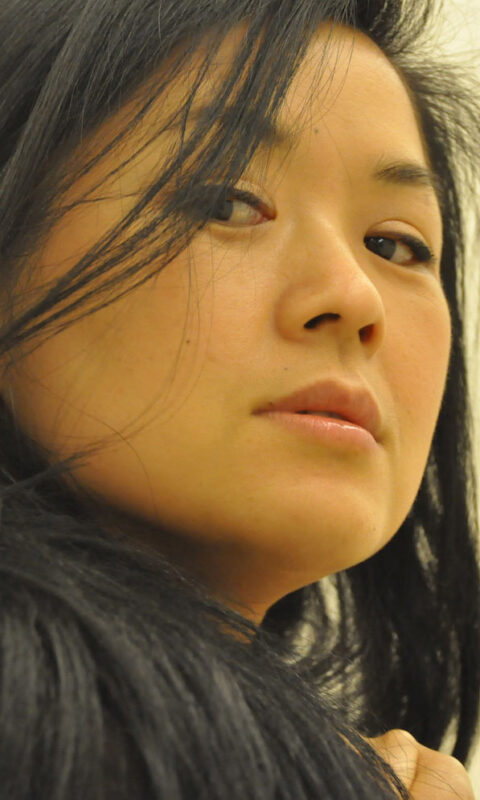
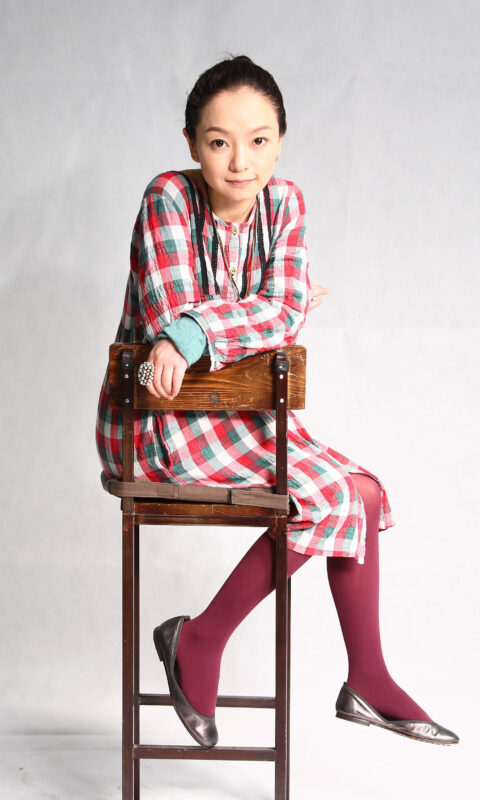
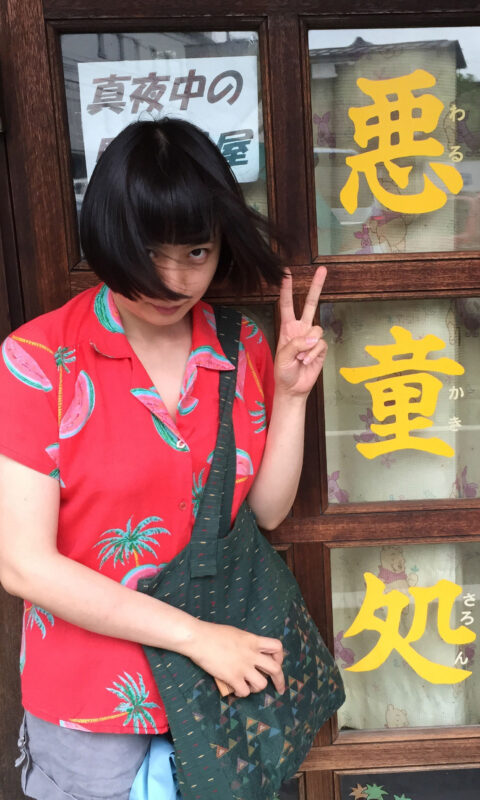
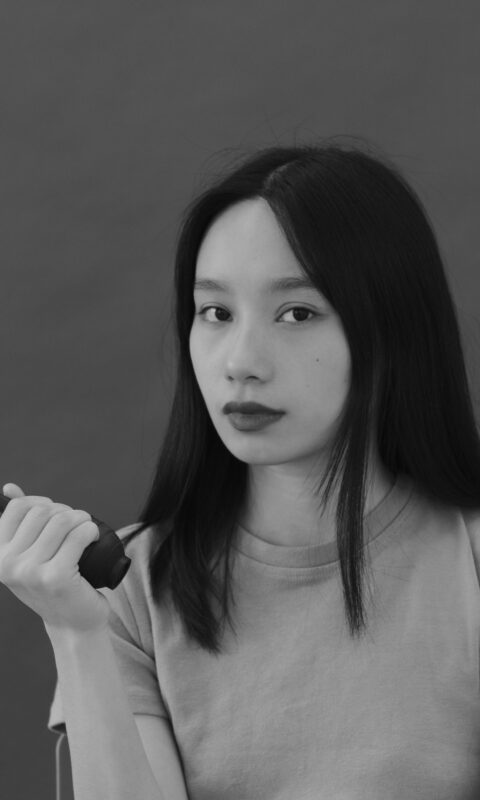
作者简介
AUTHOR’s biography
何伊宁,活跃在视觉艺术领域的研究者、策展人。她擅长挖掘当下全球具有挑战性的视觉艺术实践,并将其编织在政治与文化的双重视野下。何伊宁毕业于英国伦敦艺术大学伦敦传媒学院,她正在英国伯明翰城市大学艺术、设计与传媒学院中国视觉艺术中心(CCVA)研读博士,其研究围绕 2010 年前后中国当代艺术实践中的去殖民性(decoloniality)所展开,考察艺术家个人经验、解殖话语与全球地缘政治互动之间的联系。
她曾在中国和欧洲策划过大型群展,包括 “在群山、丘陵与湖泊之间”(设计互联/Modern Art Base/三影堂摄影艺术中心 / 高台当代艺术中心,2020-21)、“记忆寓所”(OCAT 研究中心,2019)和 “港口与影像”(中国港口博物馆,2017/2019/2022)等。何伊宁是第八届新加坡国际摄影节,第三届北京国际摄影双年展的联合策展人之一;她是 OCAT 研究中心 " 首届 2018 研究型展览策展计划” 的优胜者,并凭借该研究项目的终展 “记忆寓所” 获得第十四届 AAC 艺术中国年度策展人提名奖。她的专著、编著以及参与撰写的合集包括《记忆寓所》《世界女性摄影史》《劳特利奇摄影与视觉研究导论》《英国摄影教室》及《港口与影像》系列等。
Working as a researcher and curator in the realm of visual arts. She has experience in locating controversial visual art practices around the world and integrating them into the conflicting viewpoints of politics and culture. He Yining graduated from the London College of Communication, University of the Arts London, and is pursuing her Ph.D. at the Centre for Chinese Visual Arts (CCVA) at Birmingham City University's School of Art, Design, and Media. Her research focuses on decoloniality in contemporary Chinese art practices around 2010, examining the connections between artists' personal experiences, decolonial discourse, and global geopolitical interactions.
She has curated large group exhibitions in China and Europe, including "Between Mountains, Hills, and Lakes" (Design Society/Modern Art Base/Three Shadows Photography Art Centre/Gaotai Contemporary Art Center, 2020-21), "The Abode of Anamnesis" (OCAT Research Center, 2019), and "Ports and Images" (China Port Museum, 2017/2019/2022). He Yining was one of the co-curators for the 8th Singapore International Photography Festival and the 3rd Beijing International Photography Biennial. She was the winner of the inaugural 2018 Research-based Exhibition Curatorial Project by the OCAT Research Center, and with the resulting exhibition "The Abode of Anamnesis," she was nominated for the 14th AAC Art China Curator of the Year Award. Her authored, edited, and co-authored publications include The Abode of Anamnesis, A History of Women Photographers, The Routledge Companion to Photography and Visual Culture, The British Photography Classroom, and the "Ports and Images" series.