


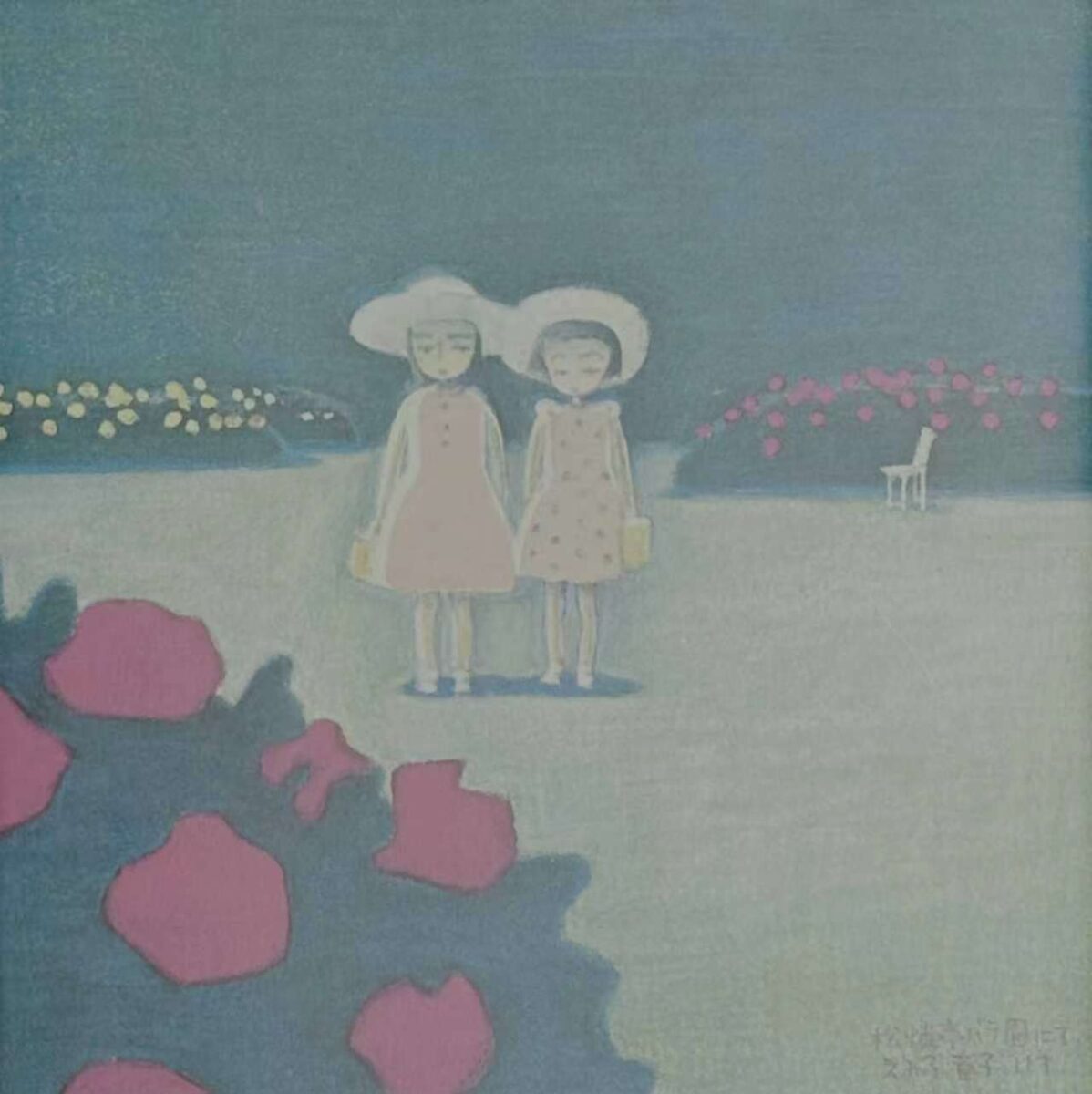
有别于传统少女漫画中呈现的甜蜜幻梦,她们在泡沫的繁荣与破裂之际,在个体、家庭与社会的夹缝之中,描摹着女性自我意识的微妙变化。正是这种立足个体经验、并持续与社会现实发生关联的创作,使 20 世纪 80 至 90 年代的女性漫画成为理解日本从战后经济繁荣走向 “后泡沫” 时期之社会心理与文化变迁的重要切口。
Departing from the sweet, dreamlike fantasies of conventional shōjo manga, their work traces, at the moment of the bubble economy’s rise and collapse, the subtle reconfigurations of female subjectivity within the interstices of individual life, family, and society. It is precisely this sustained engagement with lived experience, in constant dialogue with social reality, that makes women’s manga of the 1980s and ’90s a vital lens through which to understand the psychological and cultural transformations of Japan from postwar affluence to the post-bubble era.